Link to my LinkedIN.
https://www.linkedin.com/in/sophie-neerup-larsen-45b01990/
Hire Me
My name is Sophie, and I am a Ui & UX designer from Copenhagen Denmark, I am looking for new exciting challenges!
sophienlarsen@yahoo.dk
UX design made in connection with employment with ChronosHub
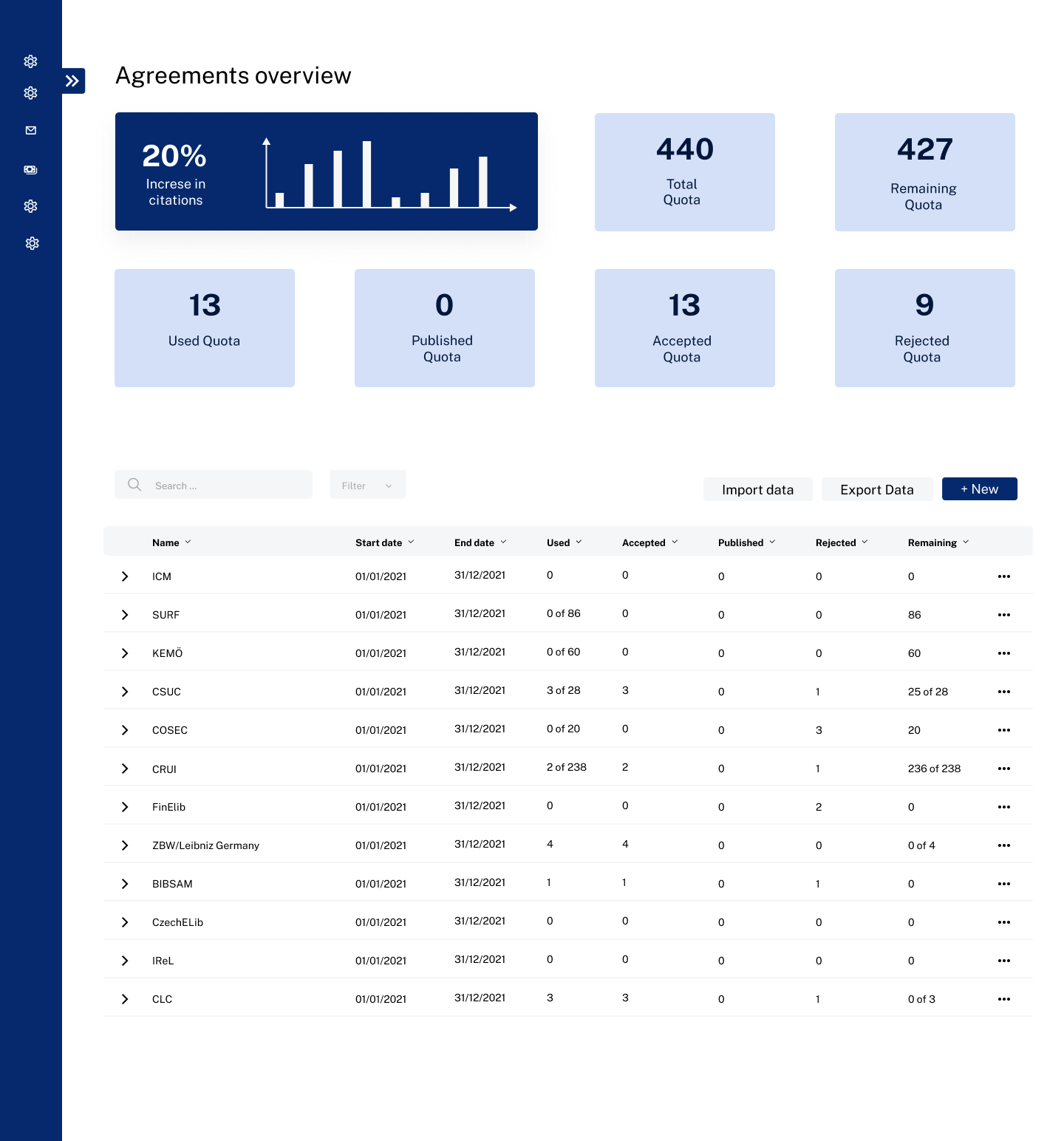
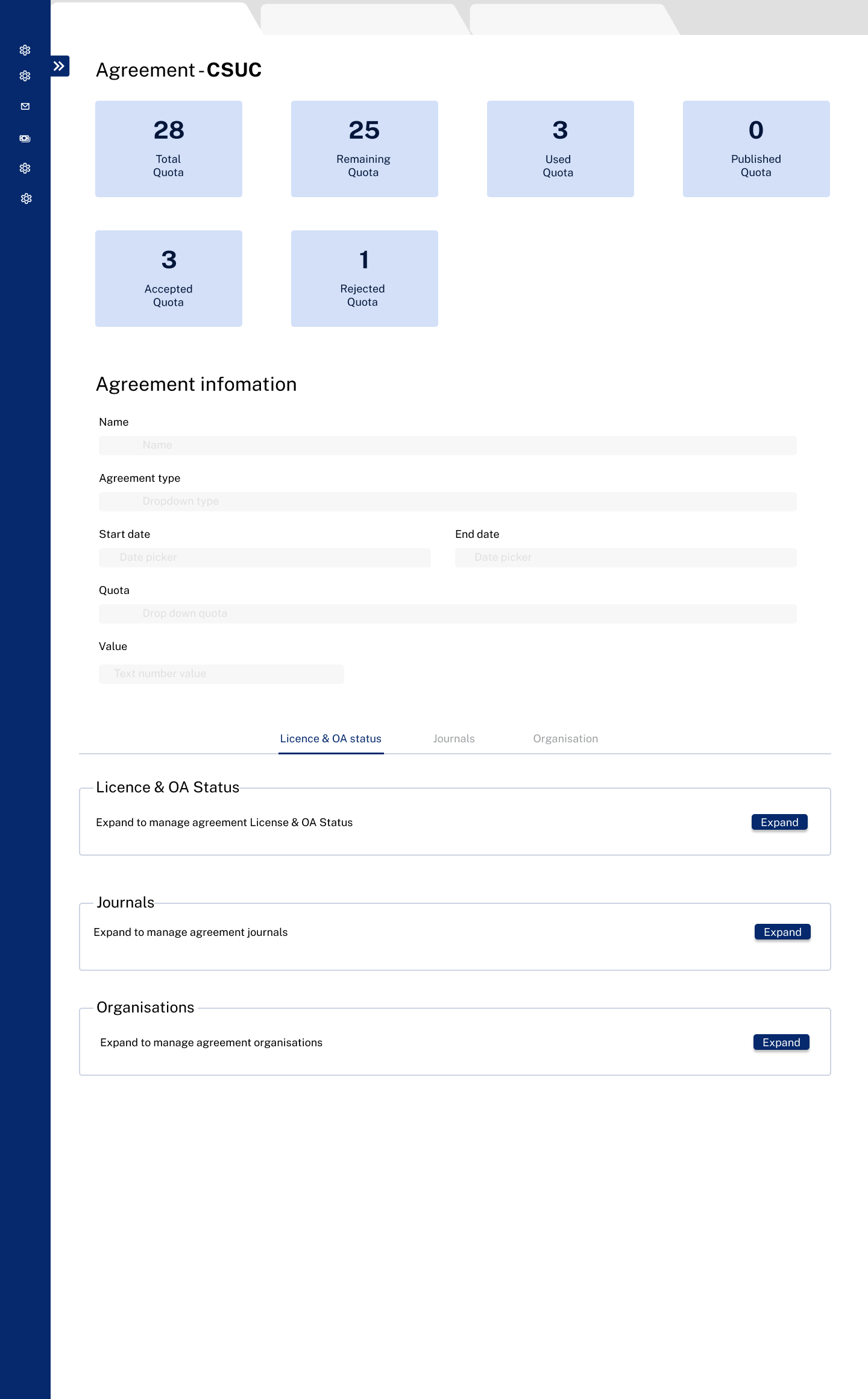
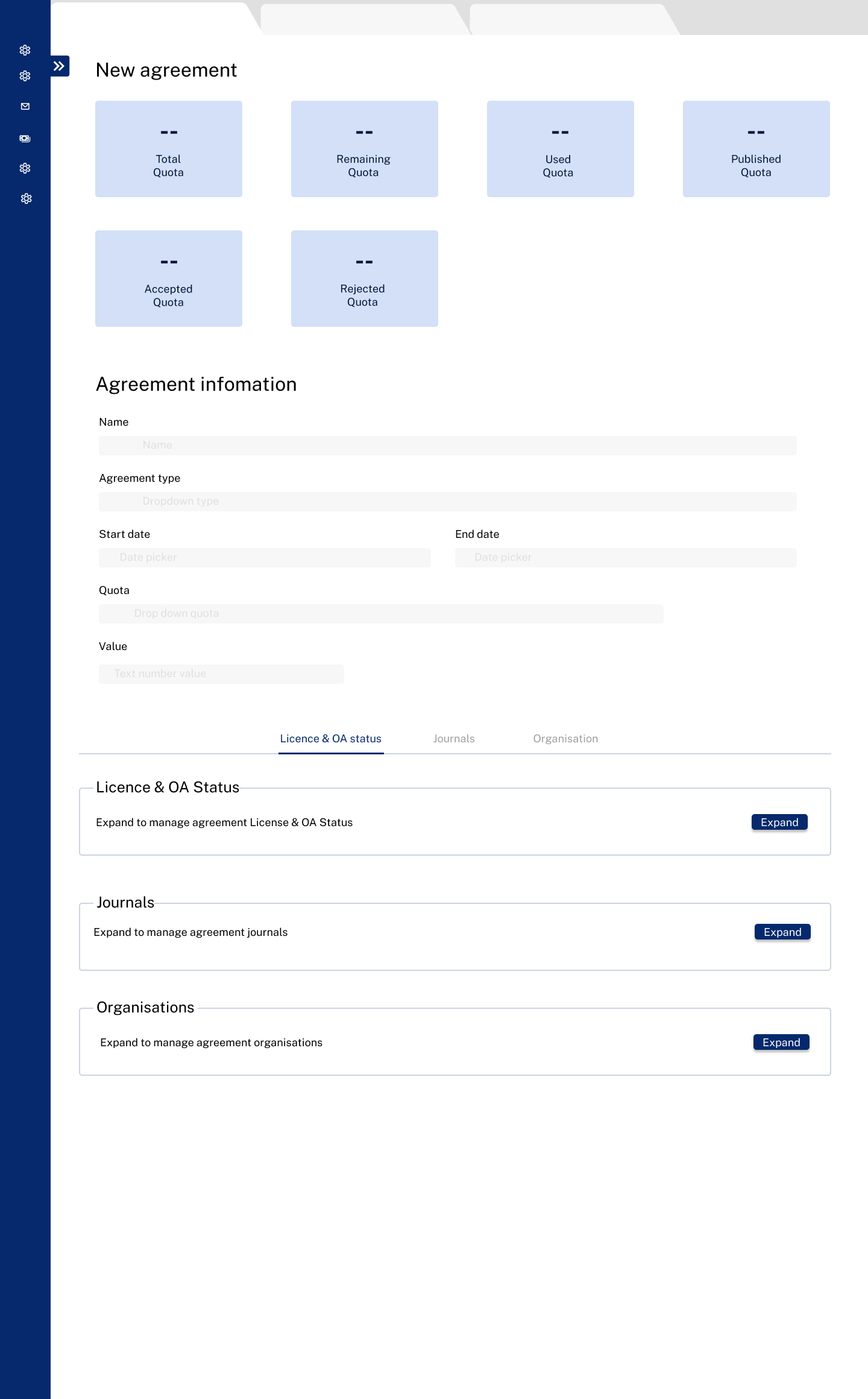
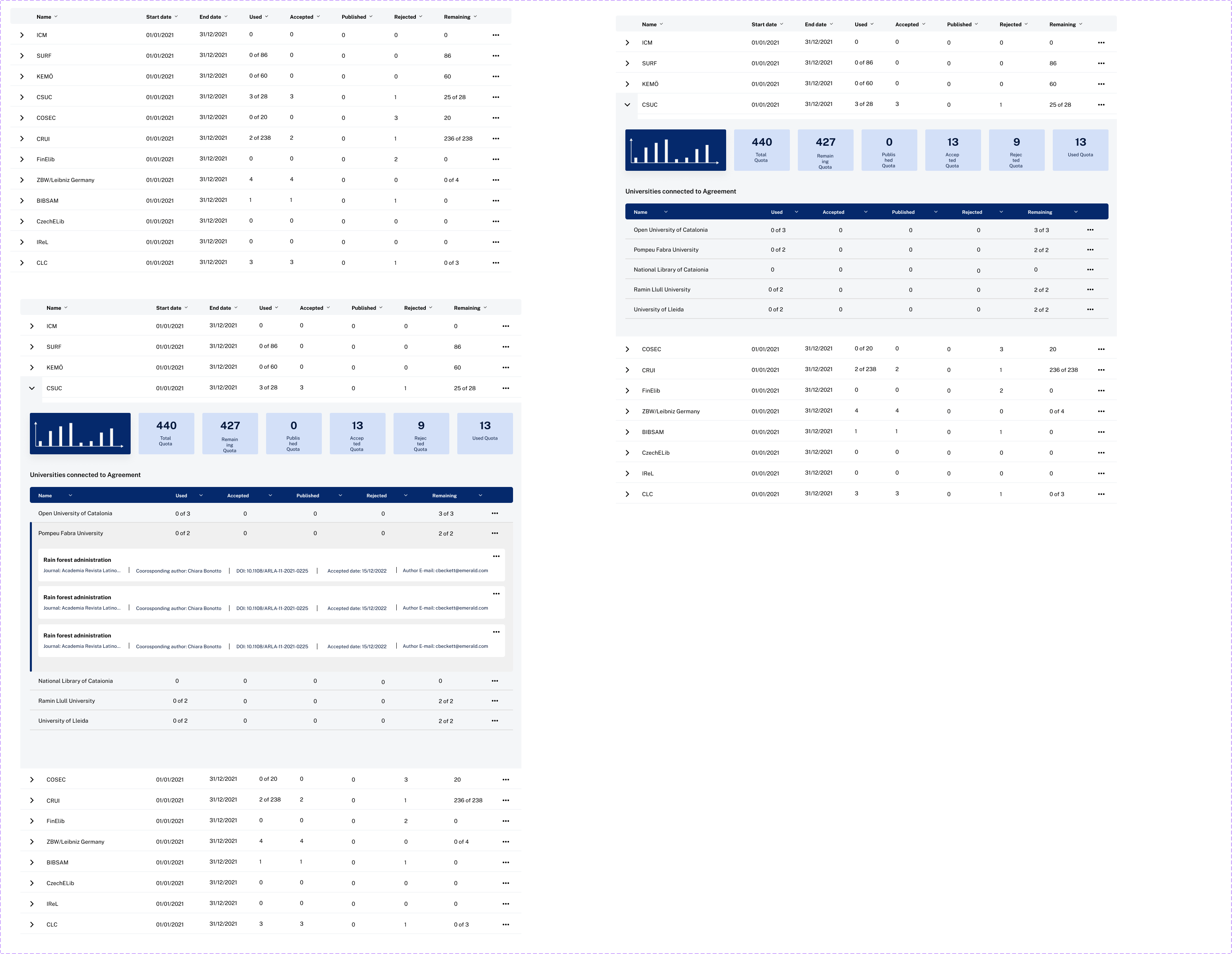
Giving institutions and funders control over their own agreements
This project was developed in response to a recurring need among our B2B customers — primarily institutions and funding bodies — who expressed a desire for more control and transparency in how they manage their agreements.
The existing solution offered limited visibility and no self-service functionality, which resulted in reliance on support teams and slowed down workflows.
The objective was to create an interactive self-service prototype that allowed users to:
The prototype was also used in sales presentations to demonstrate upcoming functionality and gauge user interest before development.
While no formal field research was conducted, this project was grounded in:
The team synthesized key needs from real support tickets and previous onboarding sessions.
The final prototype included:
The team synthesized key needs from real support tickets and previous onboarding sessions.
Takeaway: A well-crafted prototype is a powerful tool — not just for product validation, but for sales and customer trust.